
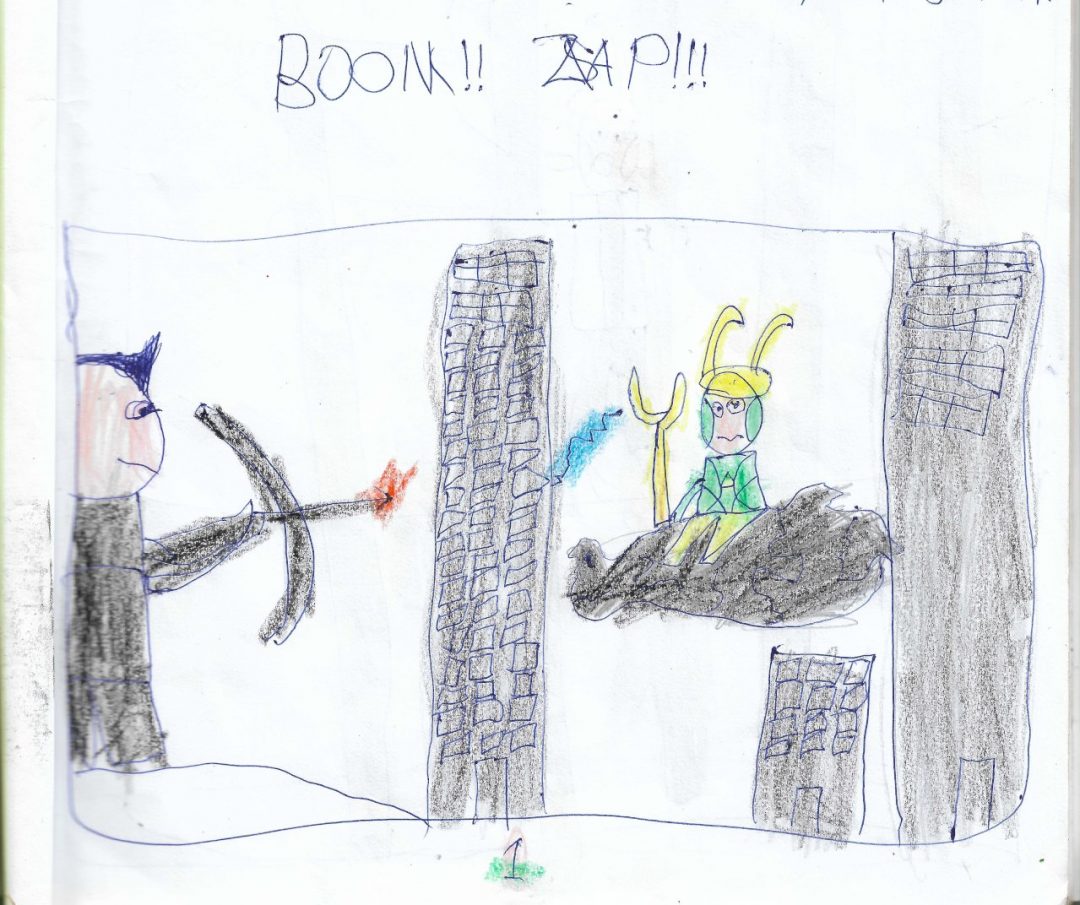
“Books are boring!” This is what my sons said to me this morning, and it completely killed my plans for this final instalment in my “reading” series. I told them that I was going to have to retract everything I’d been telling people about their reading acumen. (Don’t worry, I used simpler English) They then clarified that as you can see below:
Books are boring when there’s a movie!
Tendai & Joshua
You can find Part 1 of this series here: Developing an Interest in Books.
Part 2 is here: The Reading Habit.
Part 3 is here: Choosing Books
That still broke my heart, but as I talked to them more I understood them better. This was all directly related to “The Chronicles of Narnia”. There’s a scene in book 6 (The Silver Chair) that references events in book 5 (The Voyage of the Dawn Treader), but it’s a scene that wasn’t actually part of the latter book’s movie adaptation. So I had suggested to them that maybe we should read the book to see what else had been skipped.
That’s when the opening statement was made.
Their argument is that the illustrations in the books didn’t match the movie, and that “your voice doesn’t sound the way Edmund’s does in the movie”.
That brings up an interesting discussion about imagination, and how our children are losing the ability to imagine creatively because the proliferation of visual media, especially television and video games (both console gaming and mobile gaming) are so close to reality now that our brains don’t need to “fill in the blanks”.
Here’s an example. On the left is the first “Tomb Raider” game. It came out in 1996 and it was the most awesome game I’d ever played. In the middle is a shot from “Shadow of the Tomb Raider” – the latest iteration of the franchise, which came out in 2018. And on the right is a shot from the actress Alicia Vikander movie “Tomb Raider”, also released in 2018.
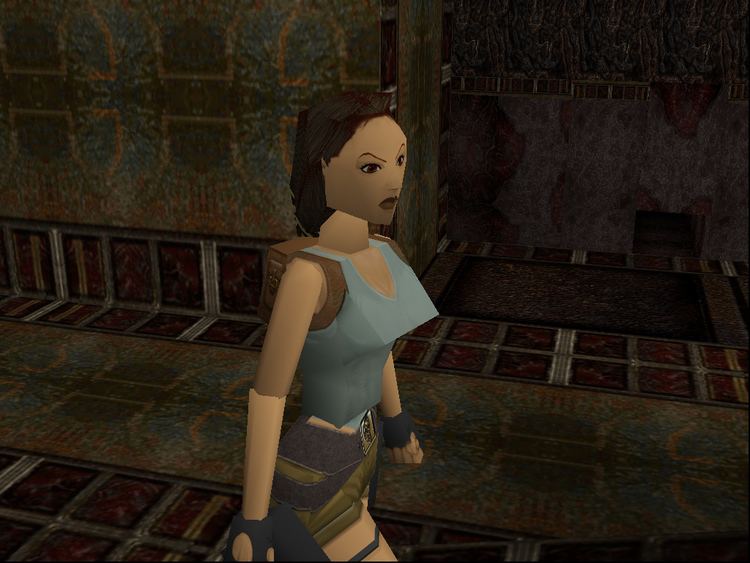
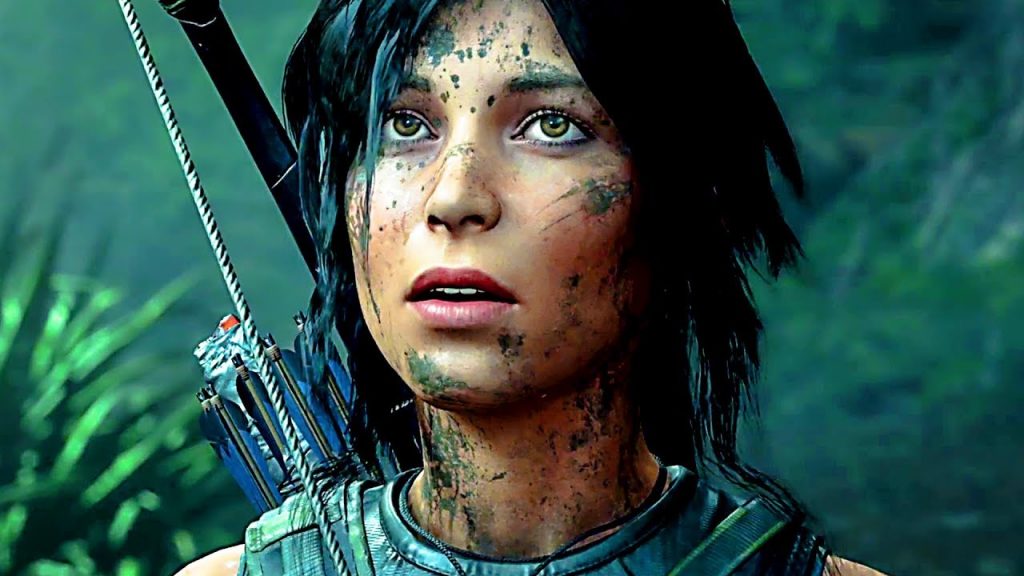

Games have become so photo-realistic that there will soon be no difference between video games and movies. (And movies have also become so full of CGI – Computer Generated Imagery – but that’s a topic for another day)
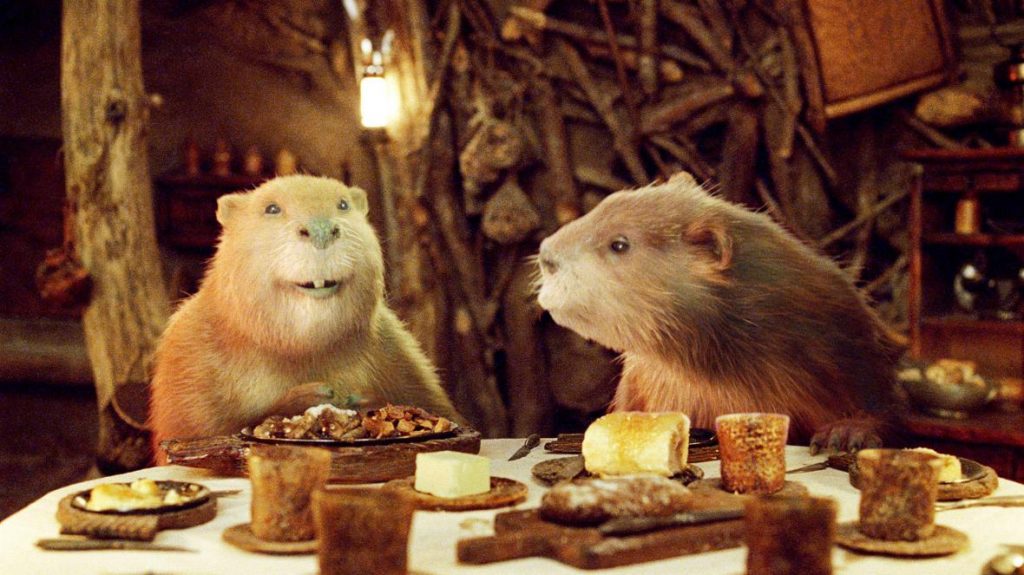
Let’s look at movies. I’ve mentioned the Chronicles of Narnia several times in this blog. Here’s a comparison for you. On the left is the 1988 BBC adaptation of The Lion, The Witch and the Wardrobe. Mr. & Mrs Beaver are two adults in two TERRIBLE costumes. On the right is the 2005 movie version of the beavers. (And that was FIFTEEN years ago)

Filling in the Gaps
I like to call this struggle “filling in the gaps”. When you watch the beavers-in-costumes version, you don’t actually see that in your head when you read. You fill in the gaps that the visualisation didn’t give you and you see something more like the image on the right. Growing up we watched some truly horrendous adaptations of some of our favourite tales but in my memory I have my own versions of Pip & Estelle from Great Expectations. Yet nowadays when I read the Lord of the Rings, I see PETER JACKSON’s versions of Gandalf and Samwise and Frodo.
So the challenge – which I haven’t figured out – is how do we get our kids, in this media-saturated time we live in to fill in their own gaps. To stretch their creative brain muscles?
I have a couple of ideas that aren’t fully formed, but which I have seen working a bit in my kids’ lives.
1. Book Reports
Initially I titled this “Analytical Reading” but I realised that that conjures up the horror of English Literature classes! I have a friend who doesn’t like action movies because she has a fascination with words, and nuance and meaning. She likes to analyse story progression and how a word said at the beginning is repeated at the end to bring a journey full circle. That in part, is why I’d gone with the first title.
But my sons’ school – Vine International Christian Academy (the best school in Uganda) – has a part of their curriculum called “Book Reports” that perhaps gives a better sense. In summary, kids pick books (or sometimes are assigned) from the school library, and after reading the books they have to write a brief report on the book. Now, my son who does Book Reports is 10, so his questions are pretty simple, namely:
- Title, Author, Number of Pages
- When & Where did the book take place?
- Who are the main characters and what traits do they exhibit? Who are the secondary characters?
- What happened in the book?
- What lessons do you learn from the book?
This is a very simple tool that encourages reading to be for more than just entertainment. We read to learn, to be entertained, to expand our horizons, to train our brains to think in a certain way, etc.
2. Writing
Look, we’re not all meant to be authors. This is a hard lesson for those of us who love books because it’s always tempting to think you’ll be the next Stephen King, Ken Follet or Barbara Cartland.
But just like EVERYONE can cook, I believe EVERYONE can write. Some of us write about our kids and food. Others write about God, or cars, or movies, or their lives, or just their random musings! The more skilled create worlds out of nothing and draw us in and make us get attached to made-up characters like they’re real!
My sons started writing comic books. This grew from their fascination with football, the Marvel Cinematic Universe and with superheroes at large.
I wish I could take credit!
But they were sitting at home randomly playing and after a couple of weekends in December 2019 I was asked for a stapler and they each presented me with their first books! Complete with hand-drawn illustrations, these books have a coherent and interesting story line!

(c) Tendai Ndikuwera (c) Joshua Ndikuwera
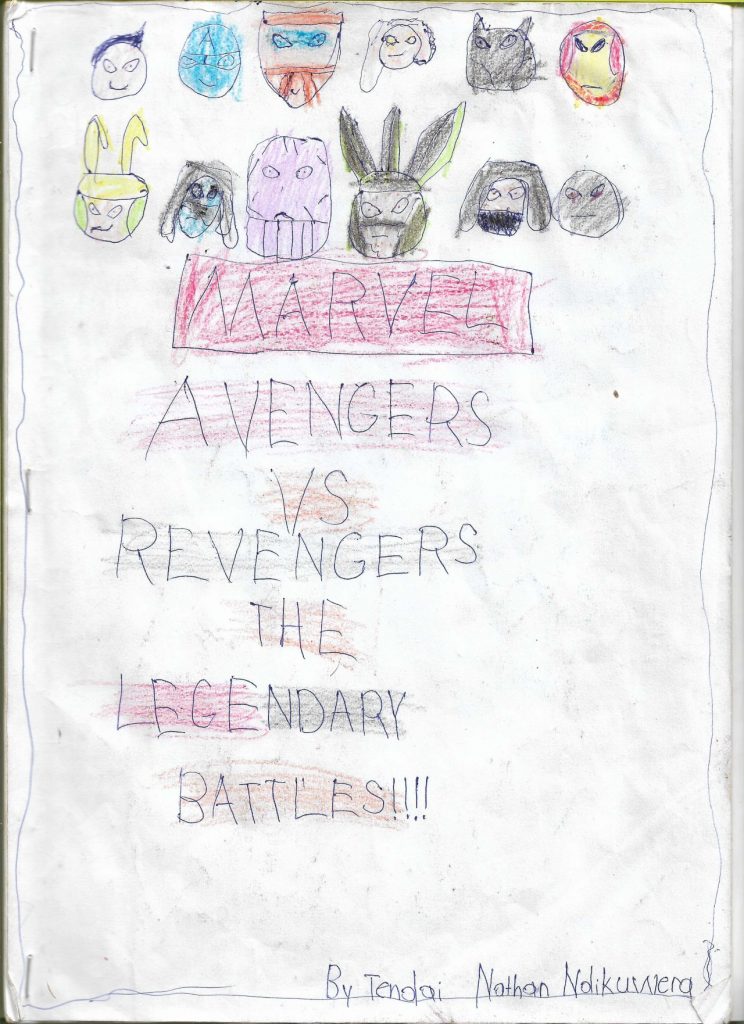
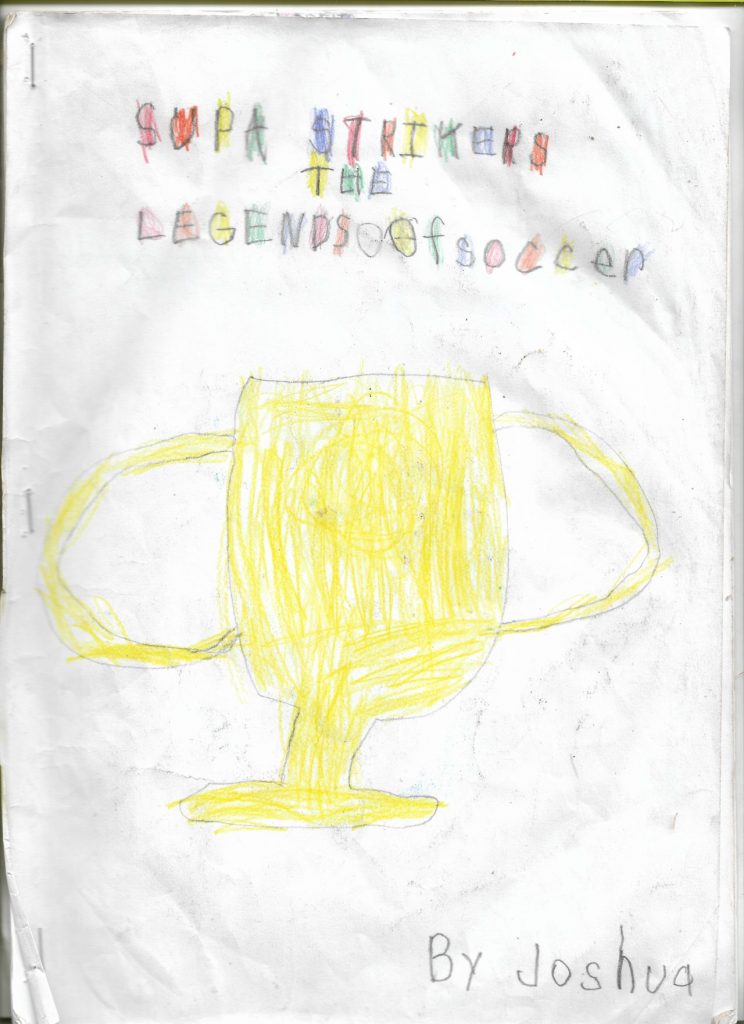
The print versions of these books will be out soon. WATCH THIS SPACE!
Since then, they’ve written several more stories. And are in the middle of a 10-part mega Avengers story.
3. Read With and to Them
I think I began to mourn prematurely that my sons would stop being interested in having me read to them. They can read, they have books on their tablet, and Amazon Alexa has thousands of stories – with animated voices – that she can read to them (Side note: one day I’ll write about the rise of smart devices in our homes, both the pros and cons)
But this lockdown period has shown me that my kids’ love for listening to their dad’s voice (while Joshua curls his too tall frame in my laps) is still one of their major highlights.
In Conclusion
Children learn to love what they see their parents love
Remember that children (especially boys) imitate. And that children are very observant. Your children won’t learn that books are worth looking at if THERE ARE NO BOOKS IN THE HOUSE! If you’re always watching TV, they learn that TV matters. If you’re always cleaning, they learn that cleaning matters. Now they may never become very tidy, or master chefs, but is it a coincidence that musicians’ children tend to become musicians? Same for pastors, reality TV stars, sportsmen, and more.
Perhaps my kids are fortunate that reading has never been a struggle for me. I read on the loo, on my bed, when taking a walk, when waiting for a meeting, (sometimes during a meeting if it’s boring), when I’m sad, when I’m happy, when I’m waiting for food to cook, when the kids are watching TV, even in the shower! (Yay for the Kindle!) And then they have a mother who’s just as obsessed!
I hope that you’ve picked some stuff up from all these words I’ve written.
Let me know on Facebook, Instagram or leave a comment here. Let me know what you disagree with, what you think you’d like to read more about, and how we can all get together and build a public library!
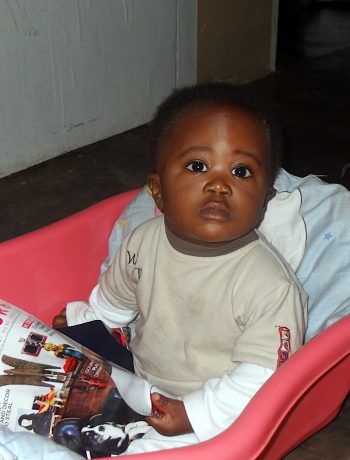

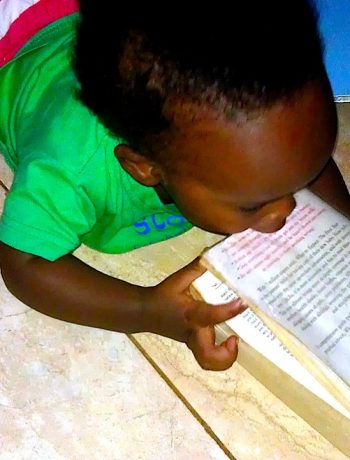
No Comments